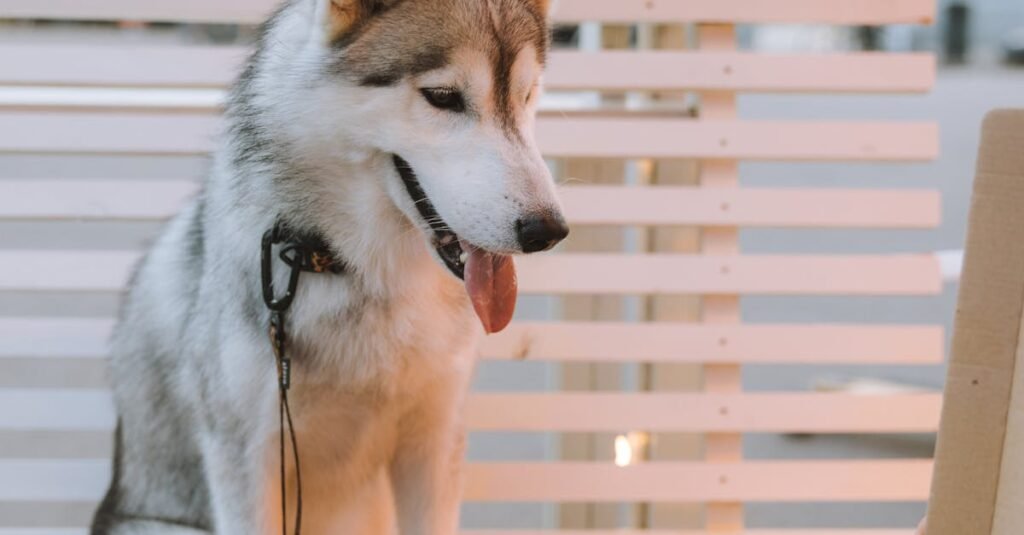
Tips for Encouraging Senior Dogs to Drink More Water
Making water easily accessible is crucial for senior dogs. Place multiple water bowls in various locations around the house to encourage them to drink more throughout the day. Consider using wide, shallow bowls to make it easier for aging pets to reach the water. It is also beneficial to refresh the water regularly to maintain freshness and attract their interest.
Adding enticing flavors can also motivate senior dogs to increase their water intake. Mixing in low-sodium broth or blending water with a bit of pureed pumpkin can make drinking more appealing. Some dogs may prefer drinking from a pet fountain, as the sound of flowing water often entices them. Experimenting with different methods can help determine the best approach to keep them hydrated.
Creative Strategies to Boost Hydration
Getting senior dogs to drink enough water can be a challenge, but there are numerous methods to encourage higher fluid intake. One effective approach is to incorporate water-rich foods into their diet, such as fruits like watermelon or cucumber. This not only adds flavor but also provides essential hydration. Different bowls can also stimulate interest; some dogs prefer elevated dishes while others may like those with a non-slip base. Experimenting with the placement of the water bowl can make a difference as well.
Another creative tactic is to use flavored water or broth to entice your furry friend. Some pet owners have had success mixing a small amount of low-sodium chicken or beef broth with regular water. This can make drinking more appealing and ensure adequate hydration. Additionally, providing access to fresh water throughout the day is crucial. Refill the bowl regularly to maintain cleanliness and appeal. Encourage regular breaks during playtime for sips, especially after physical activities.
The Impact of Weather on Senior Dog Hydration
Weather conditions significantly influence the hydration levels of senior dogs. During hot weather, the risk of dehydration increases as dogs tend to lose more moisture through panting and sweating. Senior dogs may be less active, but they still require ample access to water. On the contrary, cold weather can also pose challenges. While dogs might not appear to need as much water in colder temperatures, they require adequate hydration for maintaining body temperature and overall health.
Awareness of seasonal changes can help pet owners adjust their dogs’ water intake accordingly. In warmer months, providing fresh water multiple times a day and adding ice cubes can make drinking more appealing. During cooler days, ensuring that dogs have access to fresh water after outdoor activities is key since they often do not drink as much when it is cold. Monitoring a senior dog’s drinking habits in varying weather conditions is crucial for maintaining their health and preventing potential dehydration.
Adapting Water Needs During Extreme Temperatures
Extreme temperatures can significantly affect a dog’s hydration requirements. In hot weather, senior dogs may become more susceptible to dehydration due to increased panting and loss of fluids. This makes it essential for owners to monitor their pets closely and ensure that fresh water is readily available at all times. Offering water more frequently can help encourage consumption.
Colder weather presents its own challenges, as senior dogs may not drink as much due to lower temperatures. It’s important to note that while they may not feel as thirsty, they still require adequate hydration. Offering warm water can make drinking more appealing. Adding low-sodium broth to the water can entice older dogs to hydrate while also providing a flavorful boost to their routine.
Hydration and Common Health Issues in Senior Dogs
Maintaining proper hydration is crucial for senior dogs, as they often face various health challenges that can be exacerbated by inadequate fluid intake. Conditions such as kidney disease, urinary tract infections, and diabetes can lead to increased water loss or diminished thirst response. Insufficient hydration can worsen symptoms associated with these illnesses, leading to discomfort and a reduced quality of life. Ensuring that your senior dog drinks enough water can help ease strain on their kidneys, flush out toxins, and support overall bodily functions.
Moreover, hydration plays a significant role in managing arthritis and joint pain in aging dogs. Adequate fluid levels can help lubricate joints, reducing stiffness and promoting greater mobility. For dogs with obesity, a common issue in seniors, proper hydration can support weight management by curbing appetite and improving digestion. Providing access to fresh water and incorporating wet food into their diet are practical ways to promote better hydration, ultimately aiding in the management of these health issues.
Managing Conditions Through Proper Fluid Intake
Proper fluid intake plays a crucial role in managing various health conditions in senior dogs. Conditions such as kidney disease, diabetes, and urinary tract infections often require adjustments to a dog’s hydration levels. Increased water intake helps support kidney function, assisting in the elimination of toxins from the body. For diabetic dogs, maintaining appropriate hydration can aid in regulating blood sugar levels. Furthermore, ample fluid consumption is essential in preventing or alleviating urinary tract issues, as it helps flush out bacteria and dilute urine.
Encouraging adequate water intake can also improve overall well-being. Dogs suffering from joint issues, such as arthritis, may benefit from better hydration, as water helps lubricate joints and facilitates movement. Providing fresh, clean water at all times is essential, but additional strategies may encourage drinking more. Using an elevated water bowl can make drinking easier for dogs with mobility issues. Additionally, incorporating wet food into their diet or using flavored options can entice them to consume more fluids without forcing them to drink.
FAQS
Why is hydration particularly important for senior dogs?
Hydration is crucial for senior dogs as it helps maintain their overall health, supports kidney function, aids digestion, and prevents urinary tract infections. Older dogs are more prone to dehydration due to various factors, including decreased thirst drive and underlying health conditions.
How can I tell if my senior dog is dehydrated?
Signs of dehydration in senior dogs include dry gums, lethargy, decreased skin elasticity, and a lack of urine output. You can perform a simple test by gently pinching the skin on the back of their neck; if it doesn’t return to its normal position quickly, your dog may be dehydrated.
What are some creative strategies to encourage my senior dog to drink more water?
You can encourage your senior dog to drink more water by providing fresh, clean water at all times, using pet water fountains, adding low-sodium broth to their water, offering ice cubes as a treat, or using pet-specific hydration supplements.
How does extreme weather affect my senior dog’s hydration needs?
Extreme heat can increase your senior dog’s hydration needs, as they are more susceptible to heat exhaustion. In cold weather, while their need for water may decrease, they still require hydration to maintain healthy bodily functions. Always ensure access to fresh water in all weather conditions.
Can I manage my senior dog’s health issues through proper hydration?
Yes, proper hydration can help manage several common health issues in senior dogs, such as kidney disease, urinary tract infections, and digestive problems. Ensuring your dog stays well-hydrated can aid in the effectiveness of their treatment and contribute to their overall well-being.
Related Links
Recognizing Signs of Dehydration in Older Dogs
How Climate Affects Hydration for Senior Dogs
Understanding the Impact of Medications on Hydration Needs
Homemade Hydration Tips for Senior Dog Owners
Effects of Dehydration on Senior Dog Well-being